The Joint Research Centres new report analysing the global CCAM ecosystem
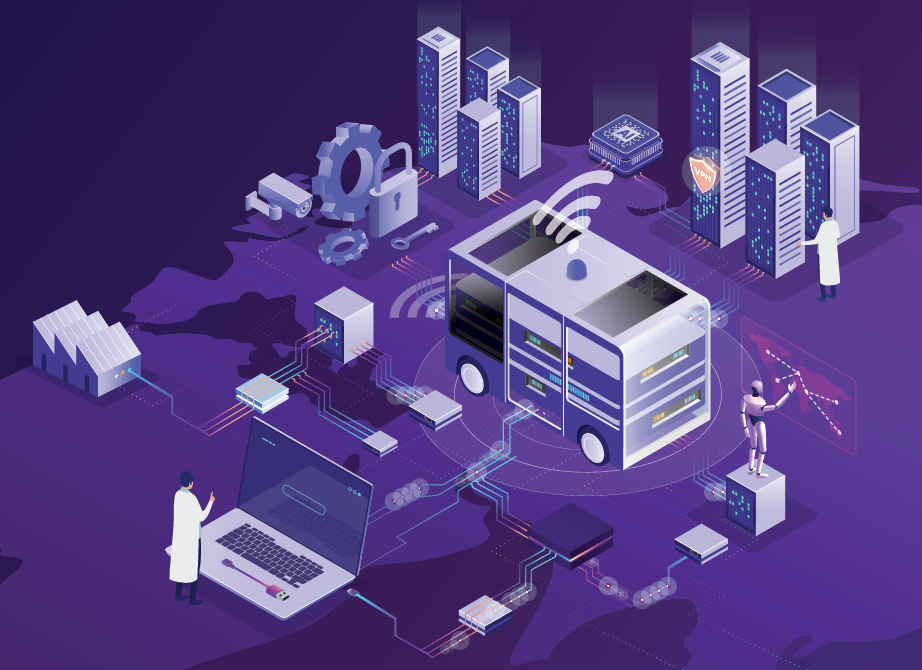
A recent analysis by the Joint Research Centre (JRC) of the European Commission provides valuable insights into the global CCAM ecosystem. The study maps more than 1,300 organisations involved in automated mobility and highlights how the sector is evolving worldwide.
While Europe maintains strong capabilities in traditional automotive and hardware-related technologies, such as sensing systems, vehicle control and connectivity solutions, it faces growing competition in software-intensive domains including artificial intelligence, autonomous decision-making and automated driving systems.
This shift has important implications for employment and skills. As CCAM technologies mature, the mobility sector is expected to experience a gradual transformation of job profiles. Future mobility systems will increasingly depend on expertise in software engineering, data analytics, machine learning, cybersecurity, simulation, digital infrastructure and human-machine interaction. At the same time, many traditional occupations linked to vehicle operation and maintenance will need to evolve to remain relevant in a more automated environment.
The challenge is not simply one of replacing jobs with technology. Rather, it is about enabling workers to transition into new roles and ensuring that they possess the skills needed to thrive in a changing labour market. Drivers may become fleet supervisors or remote operators. Technicians may need to combine mechanical knowledge with software diagnostics. Engineers may increasingly work at the intersection of mobility, AI and digital systems.
The JRC analysis also highlights that much of the innovation in CCAM is currently driven by emerging companies and rapidly evolving technology ecosystems. This creates opportunities for growth and innovation, but also introduces uncertainty for workers and businesses. Without proactive investment in training and lifelong learning, skill shortages could slow innovation while leaving parts of the workforce at risk of exclusion.
This is where projects such as ReSKILLING play a crucial role. Supporting the development of new competencies, identifying future skill needs and facilitating workforce adaptation are essential elements of a successful CCAM transition.
Ultimately, the future of automated mobility will not be determined solely by the technologies we develop. It will also depend on our ability to prepare people for change. Ensuring that the transition is fair, inclusive and socially sustainable will be just as important as achieving technological excellence.