ReSKILLING 1st Annual Virtual Stakeholder Event: discussions and presentations
The RESKILLING Annual Virtual Stakeholder Events are great opportunities for stakeholders interested in the deployment of Cooperative, connected and automated mobility (CCAM) to come together and discuss needs and potential collaborations related to skills development.
The event gathers all stakeholders from the ReSKILLING community, covering different backgrounds: industry, research, policy, training providers, international organisations, and more. Presenting latest results from the RESKILLING project activities, specific topics are addressed and provide fact-based analyses to feed informed and productive discussions. Multiple speakers bring forward different perspectives to facilitate comprehensive approaches and ensure relevance of the innovations proposed.
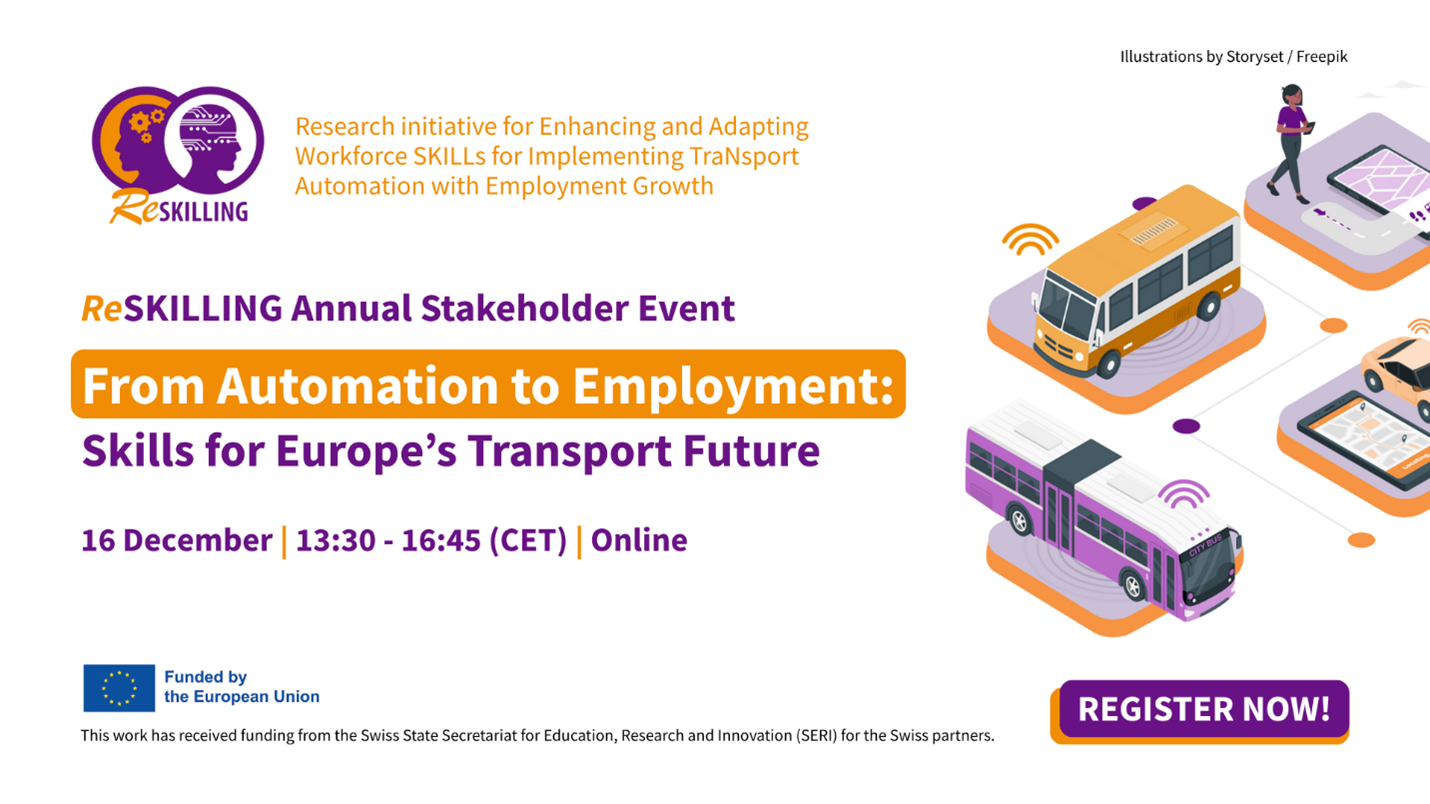
Figure 1: RESKILLING 1st annual virtual stakeholder event visual
The first edition took place on December 16 from 13:30 to 16:45 CET, joined by over 60 participants, and featuring 10 speakers from the European institutions, the RESKILLING Consortium, and the Advisory Board (AB). After a short interactive introduction to better understand who was in the virtual room, the RESKILLING project officer Georgios Sarros from CINEA set the scene to help the audience grasp the role of RESKILLING in the European research and innovation landscape around CCAM deployment and human resources. Then, the project coordinator Matina Loukea from CERTH presented the project structure, and the first results were explained by partners in a first session focusing on CCAM impacts on jobs and skills.
The RESKILLING CCAM jobs mapping and skills taxonomy were detailed by Teresa de la Cruz from ZLC, and the CCAM employment forecasting and scenario analysis presented by Davide Dolente from ECORYS triggered some discussion, to be further developed in upcoming one-on-one interviews. Participants identified routine jobs and driving skills as under risk of automation, and distinction was made between reskilling and upskilling needs, with questions on responsibilities to ensure both processes. In terms of deployment scenario, the required combination of CCAM market-driven deployment and public sector’s overview was recognized as a challenge.
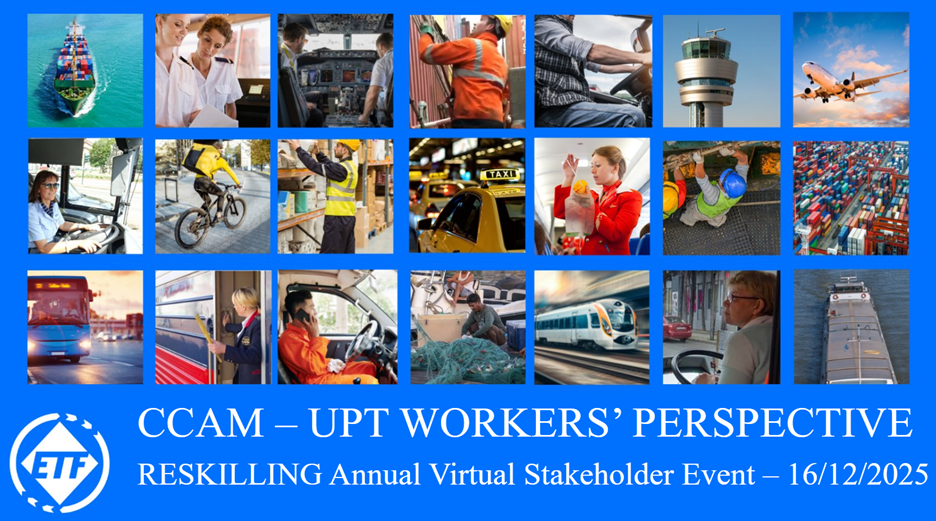
Figure 2: ETF presentation's introductory slide
The second session of the event addressed the social frameworks needed to support workers’ preparation and transition. It featured two AB members: Philip Freeman from the European transport workers federation (ETF) presented unions’ perspective, and Cristina Pronello from Politecnico di Torino highlighted social policy recommendations associated with transport services’ automation and digitalization. The diversity of workers affected by CCAM impacts on their functions was highlighted, together with the need to adopt specific approaches and the related investments required. On another side, solutions were mentioned, such as the potential integration of social dialogue practices in trainings upskilling workers but also managers of transport companies and service providers. Pathways for European harmonization were proposed and the WE-TRANSFORM project results were brought forward as key guidance in this regard.
The third session of the day, slightly shorter, covered the identification of training and reskilling needs, and the new jobs and skills’ consequences on the transport socio-economic framework. Susana Val from ZLC presented the RESKILLING upcoming activities to prepare relevant reskilling and upskilling curricula, and Fabienne-Agnes Baumann from VDI/VDE-IT exposed the plans to assess new business models so they support social skills development and innovation. Participants had a chance to influence the orientation of these key steps in the work of the consortium.
The fourth and last session of the event was all about cooperation, synergies, and exploitation to multiply positive impacts of work results. The RESKILLING Stakeholder Forum was first presented by Jorge Manso Garcia from POLIS to encourage all participants to use it, contribute and make the most of its contents. Then, Henriette Cornet from Urban Innovate, also a member of the RESKILLING Advisory Board, shared experiences of AV operations in American cities, drawing conclusions on key challenges related to governance, local employment impacts, and social acceptance of the services. Considering the advancement of mobility automation in the US, many of the lessons learnt are very helpful in European cities’ current decision-making processes, with a key question as driving light: how to ensure technology serves sustainability and social good?
This presentation was followed by 30 minutes’ discussion in smaller groups, with a clear structure: get to know each other individually, learn from others’ challenges and share yours, and identify who can help you for what. The result was a summary of key fields where cooperation can support a public interest-driven CCAM deployment, with a focus on social transition. Reports from the four breakout rooms were shared in a conclusion highlighting the project’s next steps and essential role of the community.
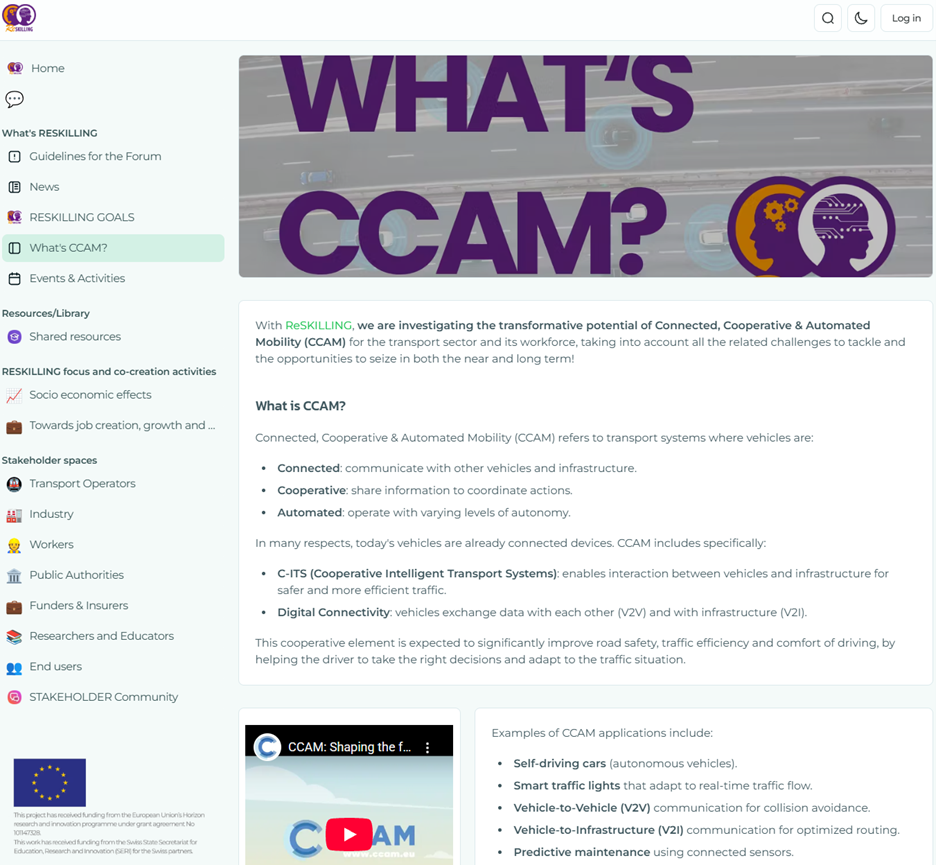
Figure 3: RESKILLING Stakeholder Forum screenshot
Overall, the event was extremely insightful, with rich content and bright speakers, and efficient time management. Participants were very happy about the content, and the use of Slido at the beginning of each session ensured an interactive feeling despite the full online setup. Considering the amount of issues to discuss and the need to listen to multiple perspectives, the next edition might be separated in two parts, leaving more room for questions and exchanges while keeping the dense learning aspects. Up to 2026!
Have full access to the PPT slides that were presented during the meeting! We have also uploaded the video recording of the discussions held on our official YouTube channel!